
Preventive Maintenance vs. Reactive Repairs: Which Strategy Saves Commercial Buildings More Money?
M&S Mechanical Team
June 1, 2026
Waiting until something breaks down might seem like the cheaper option for commercial building owners and facility managers. Why spend money servicing equipment that’s still functioning? But when HVAC systems fail during a summer heat wave or a pipe bursts overnight, the financial impact can escalate quickly.
For commercial properties, the debate between preventive maintenance and reactive repairs is really a question of long-term cost control. While reactive repairs may reduce short-term spending, preventive maintenance is often the more cost-effective commercial building maintenance strategy over time.
What Is Preventive Maintenance?
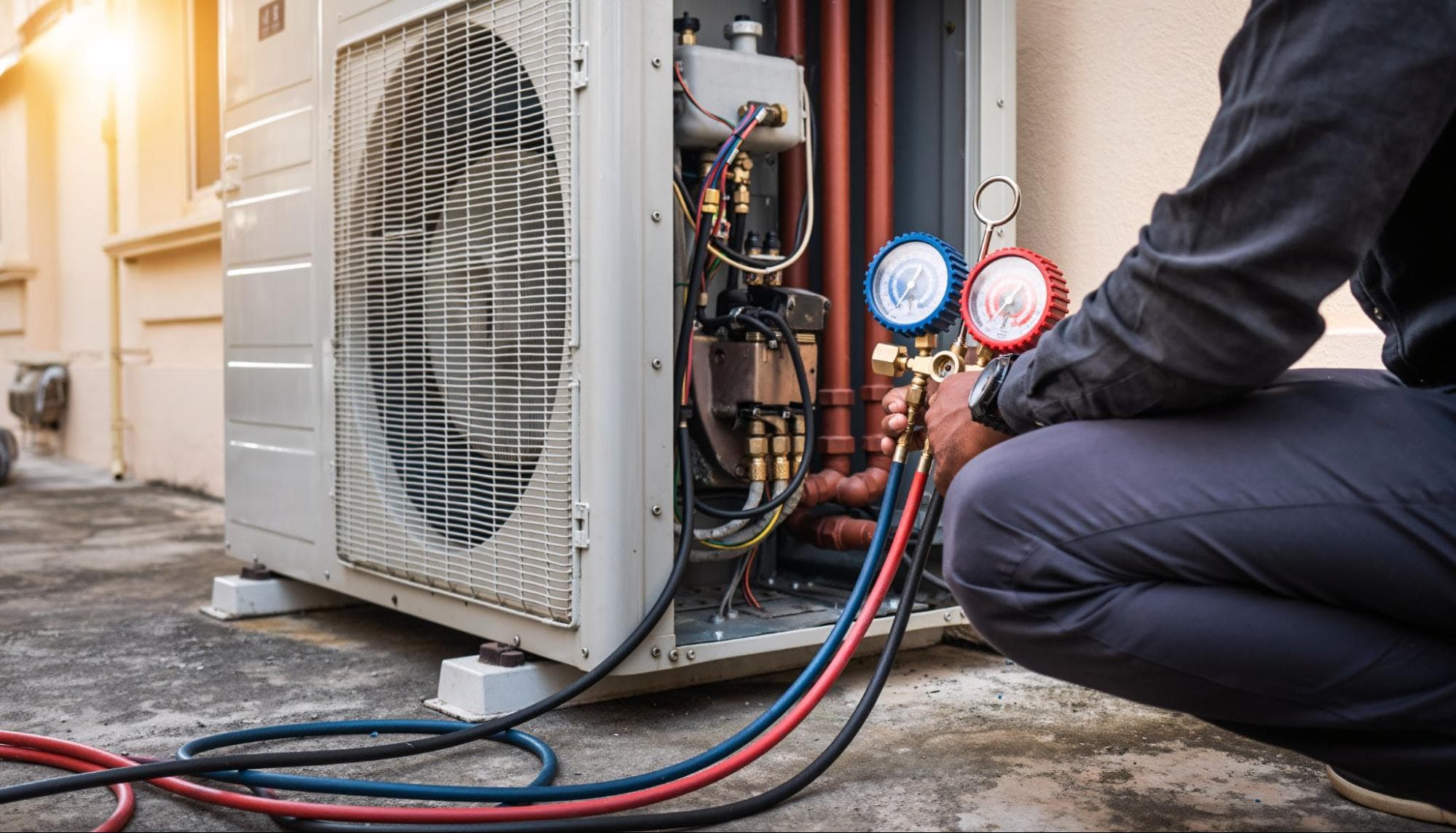
Preventive maintenance is the practice of routinely inspecting, testing, and servicing building systems before problems develop into major failures. Instead of waiting for equipment to break down, technicians address wear, inefficiencies, and small issues early.
In commercial buildings, preventive maintenance commonly includes:
-
Seasonal HVAC servicing
-
Filter replacements and coil cleaning
-
Plumbing inspections and leak detection
-
Water heater maintenance
-
Fire suppression and sprinkler system testing
-
Checking pumps, valves, and mechanical components
The goal is to keep systems operating efficiently, safely, and reliably throughout the year.
A structured preventive maintenance program also helps building owners plan expenses more accurately. Rather than dealing with unpredictable emergencies, maintenance costs become part of a manageable operating budget.
What Are Reactive Repairs?
Reactive repairs follow a fix it when it breaks? approach. In this model, building systems receive little to no routine servicing until a failure occurs.
Common examples include:
-
An HVAC unit shutting down during a heat wave
-
Burst or leaking pipes causing water damage
-
Boiler failures during winter
-
Drain backups disrupting tenant operations
-
Emergency equipment replacements after a major breakdown
At first glance, reactive maintenance can appear less expensive because there are fewer scheduled service costs. However, emergency repairs often happen at the worst possible times and usually involve significantly higher expenses.
Cost Breakdown: Preventive vs. Reactive
When comparing preventive maintenance cost savings against emergency repair spending, the difference becomes clear over time.
Preventive Maintenance Costs
Preventive maintenance costs are generally predictable and spread out over the year. Benefits often include:
-
Lower frequency of major repairs
-
Reduced emergency service calls
-
Improved energy efficiency
-
Longer equipment lifespan
-
Better system reliability
For example, regular HVAC servicing can help identify failing components before they damage compressors or motors. Replacing a worn belt during a scheduled visit is far less expensive than replacing an entire rooftop unit after a total failure.
This is one reason commercial HVAC maintenance vs repair discussions usually favor maintenance plans from a long-term financial perspective.
Reactive Repair Costs
Reactive repairs often carry hidden expenses beyond the repair itself, including:
-
Emergency labor premiums
-
Overtime service charges
-
Temporary shutdowns or tenant disruptions
-
Water damage remediation
-
Expedited equipment replacement costs
-
Lost productivity
A neglected HVAC system may operate inefficiently for months before failing completely, increasing utility costs long before the actual breakdown occurs.
In many cases, reactive maintenance shortens equipment lifespan, forcing owners to replace systems years earlier than expected.
A Real-World Comparison
Let’s compare two similar commercial office buildings.
Building A: Preventive Maintenance Plan
-
Quarterly HVAC servicing
-
Annual plumbing inspections
-
Routine fire system testing
-
Minor repairs handled proactively
Annual maintenance cost: approximately $18,000
Over five years:
-
Minimal emergency downtime
-
Stable energy performance
-
HVAC system lifespan extended
-
No major tenant complaints
Building B: Reactive Repair Strategy
-
No scheduled maintenance
-
Repairs only after failures occur
Over the same five-year period:
-
Two emergency HVAC failures during summer
-
One burst pipe incident
-
Higher utility bills from inefficient systems
-
Significant tenant disruption
Total repair and replacement costs exceeded $90,000, not including lost tenant satisfaction and operational disruption.
While every building is different, this type of scenario is common across commercial properties.
Hidden Costs Many Owners Overlook
One of the biggest problems with reactive maintenance is that many of its costs are indirect.
Neglected HVAC systems often consume more energy due to dirty filters, clogged coils, and worn components. Even small inefficiencies can significantly increase utility costs for large commercial buildings.
Tenant satisfaction is another significant factor. Repeated temperature issues, plumbing disruptions, or shutdowns can affect lease renewals and tenant relationships.
There are also compliance and safety concerns. Fire suppression systems, boilers, and other critical mechanical equipment often require inspections and testing to meet local codes and insurance requirements. Failing to maintain these systems can create liability risks and insurance complications.
When Reactive Repairs Might Make Sense
There are limited situations where reactive repairs may be reasonable.
For example:
-
Brand-new equipment still under warranty
-
Non-critical systems with low operational impact
-
Temporary facilities nearing renovation or demolition
Even in these cases, completely ignoring maintenance is rarely advisable. Most manufacturers still require basic servicing to maintain warranty coverage.
The ROI of Preventive Maintenance
Preventive maintenance should not be viewed as an unnecessary expense. It is an operational investment that protects equipment, reduces downtime, and improves long-term financial performance.
The ROI of HVAC maintenance often comes from avoiding major failures, reducing energy waste, and extending system life by several years. For commercial property owners, that stability can translate into lower operating costs and fewer unexpected disruptions.
More importantly, preventive maintenance gives building owners peace of mind. Systems are less likely to fail during critical periods, tenants experience fewer disruptions, and budgeting becomes far more predictable.
The Verdict
When comparing reactive vs preventive maintenance, the numbers usually tell the same story: preventive maintenance costs less over time.
Emergency repairs may seem manageable in the short term, but repeated breakdowns, higher energy use, equipment damage, and operational disruptions can quickly become far more expensive than a structured maintenance plan.
For commercial buildings across the Tri-State Area, a proactive maintenance strategy is often the smartest way to protect both property value and day-to-day operations.
If you want to reduce downtime, improve efficiency, and avoid costly surprises, contact M&S Mechanical to schedule a maintenance assessment or discuss a customized preventive maintenance plan for your building.