
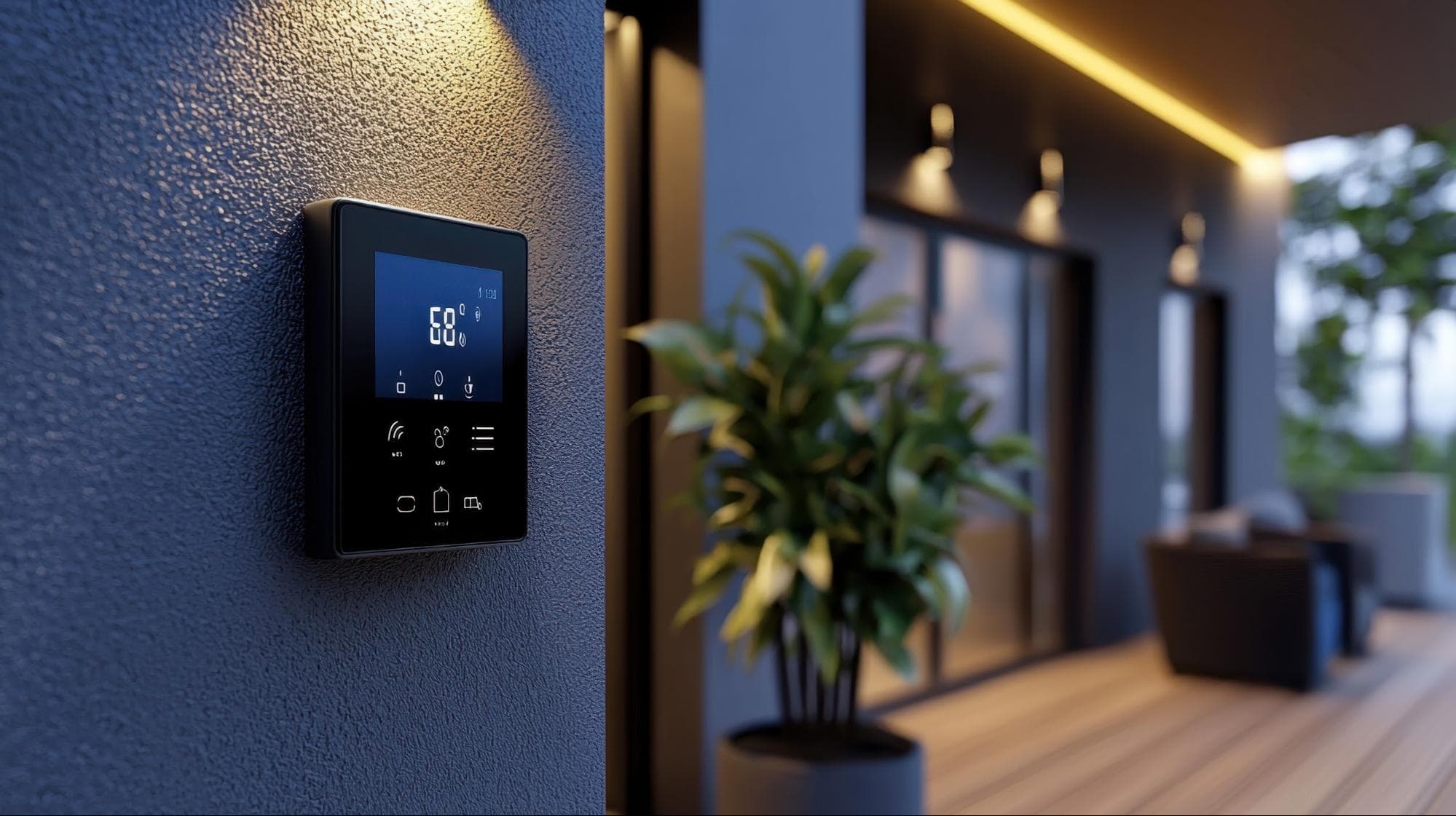
How Smart Building Technologies Are Transforming Heating Efficiency This Spring in the Northeast
M&S Mechanical Team
April 1, 2026
March in New York City and across the Tri-State area rarely delivers a clean break from winter. One week brings freezing overnight temperatures; the next brings mild afternoons that leave overheated offices cracking windows. For commercial building owners and facility managers, this unpredictability can quietly drive up energy costs and strain heating equipment.
In 2026, however, more buildings are gaining an advantage. Smart building technologies powered by advanced automation, AI-driven controls, and real-time analytics are transforming how heating systems respond to changing conditions. Instead of reacting to the weather, buildings can now anticipate it.
Why March Still Matters for Commercial Heating
Even as spring approaches, heating demand remains significant throughout the Northeast. What makes this period challenging isn’t just the cold it’s the variability.
Unpredictable temperature swings
Early mornings may require full heating capacity, while sunny afternoons can push interior spaces toward overheating. Traditional systems often run on fixed schedules or static setpoints, leading to:
-
Simultaneous heating and cooling
-
Short cycling of boilers and air handlers
-
Excessive fuel or electricity consumption
The cost of inefficiency
With energy prices fluctuating and operational budgets under scrutiny, even minor inefficiencies can compound quickly across large commercial properties. Running a boiler harder than necessary or failing to scale back output during warmer periods results in avoidable waste. Smart systems address this gap by making heating dynamic rather than reactive.
What Smart Heating Technologies Look Like in 2026
Advancements in building automation have moved well beyond programmable thermostats. Today’s systems integrate AI, cloud-based monitoring, and connected sensors to continuously refine performance.
AI-Enabled HVAC Controls
Modern building automation systems (BAS) use machine learning algorithms to evaluate historical performance data, current weather forecasts, and real-time occupancy trends. The system then automatically adjusts heating output to match actual building demand.
For example, if outdoor temperatures are expected to rise rapidly by midday, the system can reduce early-morning heating intensity preventing overheating and lowering fuel consumption.
Predictive Maintenance Tools
Instead of waiting for a boiler failure or pump issue, predictive maintenance platforms analyze performance indicators such as:
-
Temperature differentials
-
Pressure readings
-
Runtime hours
-
Vibration patterns
When anomalies appear, the system flags them early allowing technicians to address minor concerns before they escalate into emergency service calls. This approach not only reduces downtime but also extends equipment life.
IoT Sensors for Occupancy & Balancing
Internet of Things (IoT) sensors placed throughout a building track occupancy levels, indoor temperatures, and even air quality metrics. Heating systems can then:
-
Reduce output in low-occupancy areas
-
Adjust airflow to balance hot and cold zones
-
Maintain consistent comfort without overcompensating
The result is improved tenant satisfaction alongside measurable energy savings.
Real-World Benefits for Building Owners
For commercial clients, the impact of smart heating technologies is practical and measurable.
Reduced Energy Waste
During shoulder seasons like March, smart controls can significantly cut unnecessary heating runtime. Buildings that previously relied on manual adjustments often see noticeable reductions in fuel usage after implementing automated optimization.
Extended Equipment Life
Boilers, pumps, and air handlers experience less stress when cycling is minimized and performance is continuously optimized. Early issue detection reduces wear and prevents costly, large-scale repairs.
Improved Comfort & Indoor Air Quality
Balanced heating reduces hot and cold complaints, particularly in multi-tenant office and mixed-use buildings. Integration with ventilation controls also supports healthier indoor environments an ongoing priority for many property managers.
Lower Operating Costs
Energy savings combined with fewer emergency repairs create both immediate and long-term financial benefits. In an environment of rising operational expenses, efficiency gains can meaningfully improve a property’s bottom line.
Preparing for a Smart Retrofit
For building owners considering a technology upgrade, planning is key.
What to evaluate before upgrading:
-
Age and condition of existing boilers and HVAC equipment
-
Compatibility with modern building automation systems
-
Current energy usage trends and pain points
-
Infrastructure for sensors and connectivity
Not every building requires a full system replacement. In many cases, integrating smart controls with existing equipment can deliver strong performance improvements without major capital expenditures.
How M&S Mechanical Supports Smart Integration
At M&S Mechanical, we work with commercial clients to assess, design, and implement technology-forward heating solutions tailored to their buildings.
Our team assists with:
-
Evaluating existing system performance
-
Recommending automation and sensor upgrades
-
Installing and integrating smart controls
-
Providing ongoing service and predictive maintenance support
By combining licensed HVAC expertise with modern automation strategies, we help clients transition toward more efficient, resilient heating systems without disrupting daily operations.
Spring Forward With Smarter Heating
As winter lingers into early spring, heating systems remain critical but they don’t have to operate inefficiently. Smart building technologies are reshaping how commercial properties manage energy, comfort, and equipment health.
If you’re evaluating ways to reduce energy waste, extend system life, or modernize your building’s heating controls, M&S Mechanical can help assess your options and identify practical next steps.
Contact us to schedule a smart heating system consultation and position your building for greater efficiency in 2026 and beyond.