
When it comes to managing your building???s HVAC system, it???s easy to overlook signs that your equipment might be past its prime. As we move into warmer months, particularly with a hot NYC summer on the horizon, ensuring your HVAC system is operating efficiently becomes a crucial part of maintaining comfort, energy savings, and safety. While regular maintenance can extend the life of your system, there comes a time when an upgrade is necessary. Below are key signs that it???s time to consider replacing or upgrading your HVAC system and what steps to take moving forward.
1. Rising Energy Bills
One of the most significant indicators that your HVAC system is outdated or inefficient is a noticeable increase in your building’s energy bills. Older systems tend to lose their efficiency over time and work harder to maintain desired temperatures. This extra strain translates into higher energy consumption and, ultimately, higher costs.
According to the U.S. Department of Energy, heating and cooling systems account for nearly half of a building???s energy usage. As equipment ages, it struggles to maintain performance levels, causing energy bills to creep up. A more efficient, newer model will help reduce energy consumption, resulting in lower utility bills and a smaller carbon footprint.
Upgrading to a modern HVAC system that???s more energy-efficient could save you a substantial amount on your energy bills. For example, ENERGY STAR-certified systems can reduce energy consumption by up to 15%. These energy-efficient units are designed to cool and heat spaces more effectively while consuming less power, providing a significant return on investment over time.
2. Inconsistent Temperatures
If you???ve noticed fluctuating temperatures in your building ??? with some rooms feeling too hot and others too cold ??? this could be a sign that your HVAC system is no longer able to regulate the temperature efficiently. Hot and cold spots within the building are often due to issues with airflow or a failing HVAC system that can???t distribute air evenly throughout the space.
This problem can also indicate issues with the ductwork, thermostat, or air handlers. If these components are worn out or malfunctioning, it can lead to significant discomfort for occupants and poor performance. An HVAC upgrade can help resolve temperature inconsistencies by improving airflow, optimizing temperature regulation, and enhancing overall comfort.
A new HVAC system with modern zoning capabilities allows for greater control of individual room temperatures, giving tenants or employees the ability to adjust the climate to their specific needs. This not only improves comfort but also reduces energy waste by avoiding the heating or cooling of unoccupied areas.
3. Frequent Repairs
If you find yourself repeatedly calling for HVAC repairs, it???s likely time for a system upgrade. Constant breakdowns and the need for frequent repairs are clear signs that your system is struggling to function properly. While regular maintenance is key to keeping your system in good working order, if repairs are becoming more frequent or expensive, it may be more cost-effective to invest in a new system.
When your HVAC system requires frequent repairs, it???s a sign that the equipment is reaching the end of its useful life. Older systems tend to break down more often, and the cost of repairing them may outweigh the cost of upgrading to a newer, more reliable unit. Replacing your system with a new, more efficient model will not only save you money on repairs but also improve the overall performance of your building???s heating and cooling.
4. Outdated Equipment
HVAC systems that are over 15 years old are often outdated and inefficient. Technology has evolved significantly in the last two decades, and modern HVAC systems feature more advanced features that enhance comfort, energy efficiency, and environmental friendliness. If your HVAC system is over 15 years old, you may be missing out on these innovations.
Newer HVAC units are designed to provide more consistent airflow, better filtration, and smarter control options. Many models now come with smart thermostats that allow you to remotely monitor and adjust the temperature, providing additional convenience and energy savings. Additionally, more recent models are designed with better energy ratings, meaning they consume less power to perform the same functions.
According to the U.S. Environmental Protection Agency (EPA), replacing an outdated HVAC system with a more energy-efficient model can reduce energy use by up to 40%. Not only will upgrading your system help you save on energy costs, but it can also improve your building???s overall air quality by using advanced filtration technologies that trap allergens, dust, and other contaminants.
What to Do About It?
If you???ve noticed any of the above signs in your building???s HVAC system, it???s time to consider an upgrade. Here???s what to do next:
1. Schedule a Professional Assessment
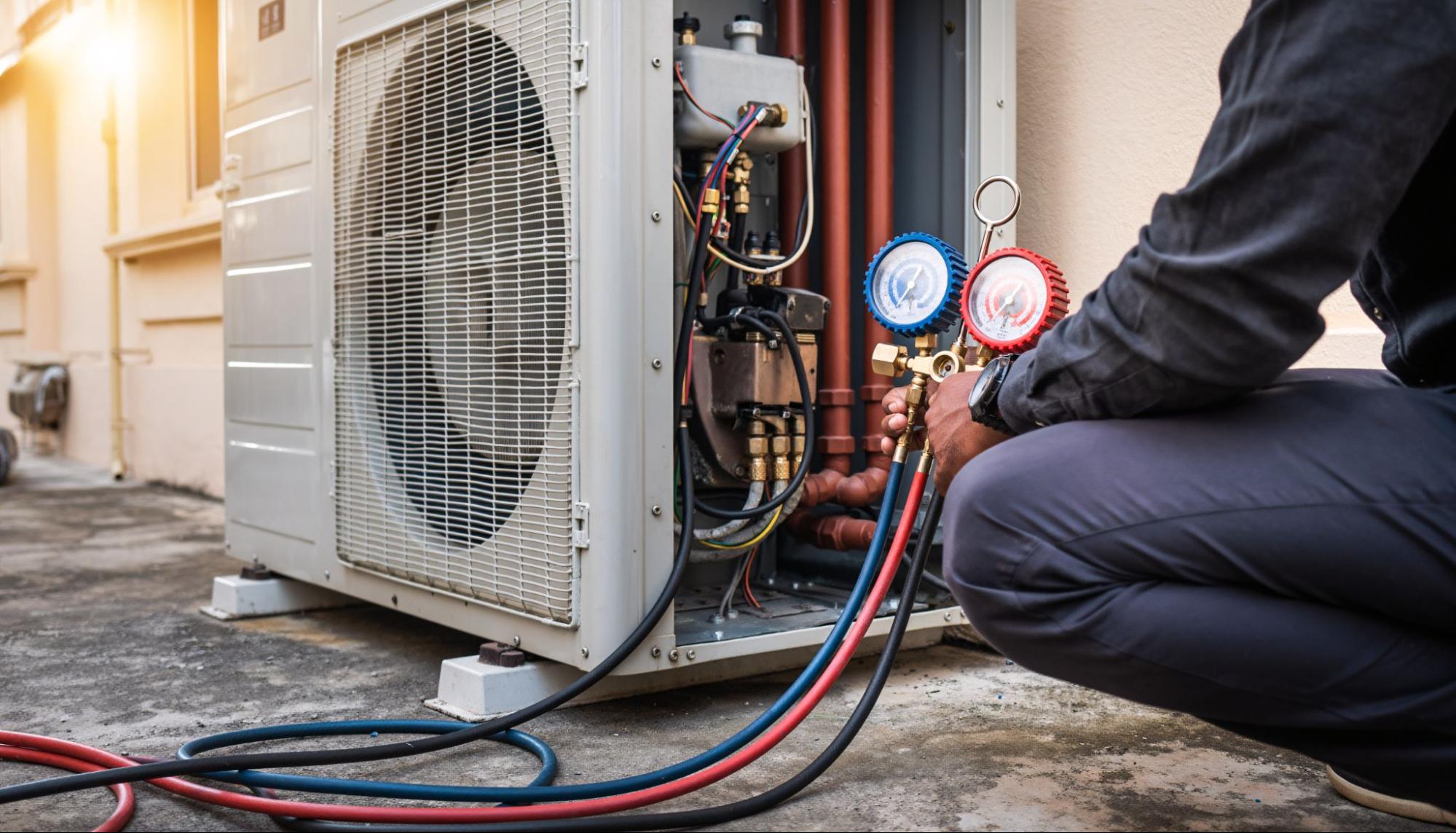
Before making a decision, it???s important to have a professional HVAC technician conduct an assessment of your system. An expert will evaluate the condition of your equipment, identify inefficiencies, and provide a detailed report on your system???s health. They can also recommend the best course of action, whether that???s repairing specific components or replacing the entire system.
2. Explore Your Options
Once you???ve decided to move forward with an upgrade, it???s time to research new HVAC systems that are suited to your building???s needs. Consider energy-efficient models that align with your budget and offer long-term savings. A reliable HVAC provider can help guide you through this process, recommending systems that offer the best performance, efficiency, and warranty.
3. Plan for Installation
HVAC upgrades can be a significant investment, but the long-term savings and improved comfort will be worth it. Be sure to plan for installation during the offseason to avoid peak demand times when HVAC contractors may be booked. During the installation process, make sure to discuss any additional services, such as system maintenance plans, that can help extend the life of your new HVAC system.
4. Maintain Your New System
After installation, regular maintenance is essential to ensure your new system continues to operate at peak efficiency. Schedule annual maintenance checks to keep your system running smoothly, reduce the risk of unexpected breakdowns, and extend its lifespan.
Upgrading your HVAC system may seem like a daunting task, but it???s an investment that can significantly improve the comfort, efficiency, and performance of your building. By addressing signs like rising energy bills, inconsistent temperatures, frequent repairs, and outdated equipment, you can ensure your building remains comfortable year-round while keeping operational costs in check.
At M&S Mechanical, we understand the importance of maintaining a well-functioning HVAC system, especially as temperatures rise in New York City. Our `team is here to help with comprehensive HVAC services, from system assessments and installations to regular maintenance and repairs. If you???re ready to upgrade your HVAC system, don???t hesitate to reach out to us for a consultation. We???re here to ensure your building is comfortable, energy-efficient, and compliant with local regulations.